

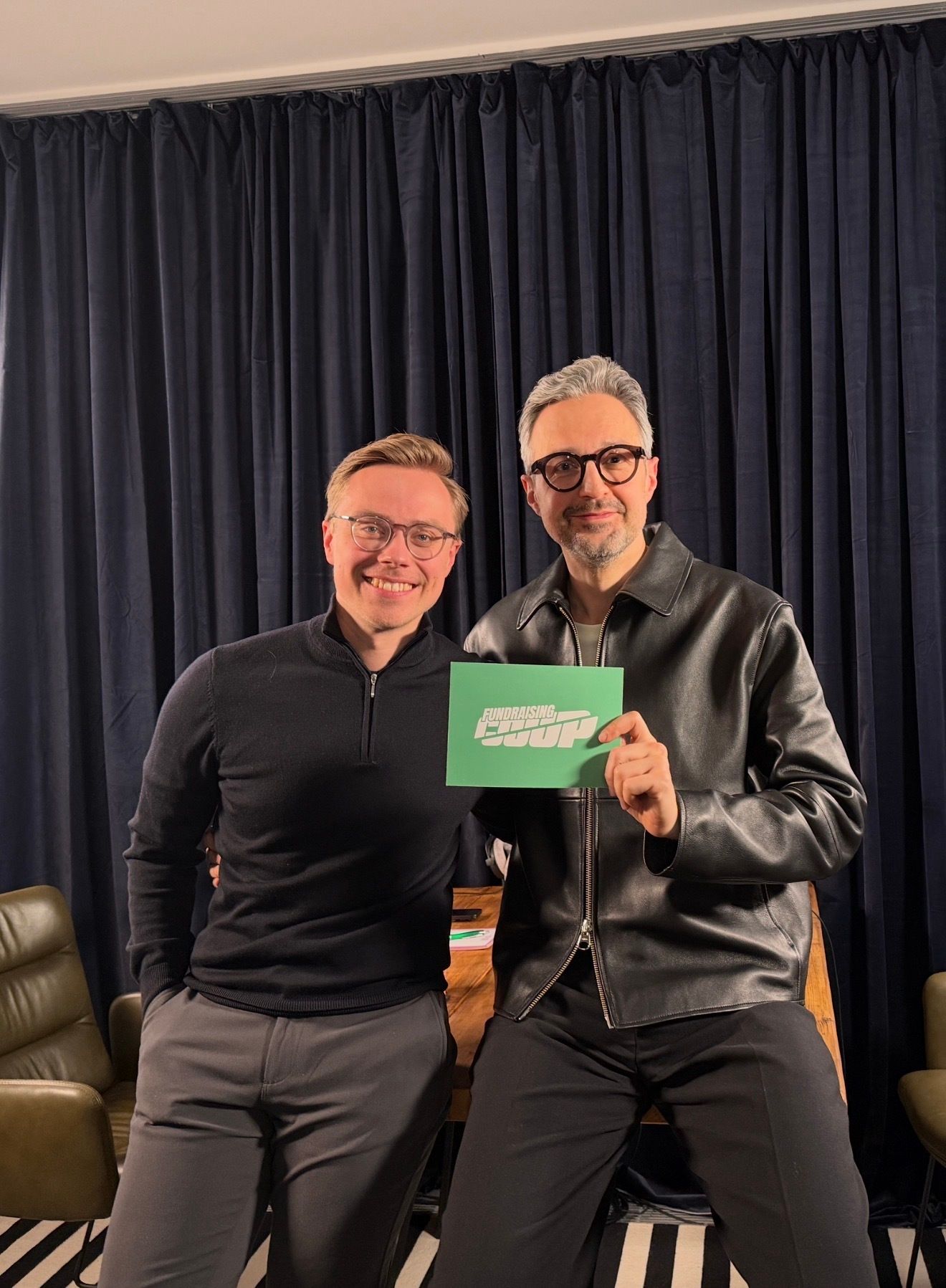
Fundraising is a sales process, and Parloa CEO Malte Kosub runs it like one. On the DEALMACHER Podcast he explains how he built an Ideal Investor Profile with six categories, applied the MEDDIC sales framework to qualify every investor, and kept less preferred investors in the process to increase competition in the round.
There’s a sentence I hear from founders all the time: “We’re not in market yet, but we’ve been having some conversations.”
That sentence is the problem.
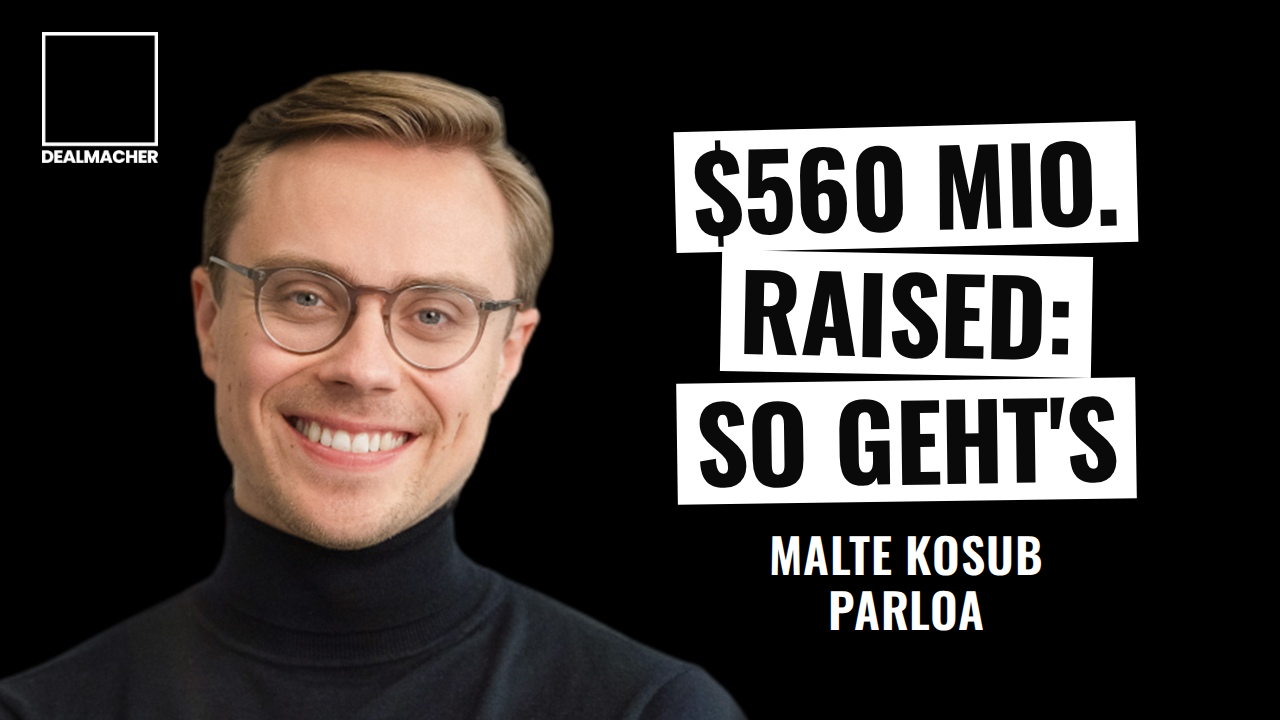
In a recent episode of the DEALMACHER Podcast, I sat down with Malte Kosub, CEO and co-founder of Parloa – $560M raised, $3B valuation, one of the few real AI companies built out of Germany.
Malte runs fundraising the way the best sales organizations run pipeline. Structured. Systematic. With frameworks most founders never think to apply.
You have an ICP for customers. Why not for investors?
Every halfway-decent founder knows what an Ideal Customer Profile is. You define the archetype of your best customer – industry, size, decision-maker, pain point – and you build your go-to-market around it.
Malte asked a simple question: why doesn’t that logic apply to investors?
So he built one. An Ideal Investor Profile. Six categories. Each investor in the pipeline scored and ranked before a single meeting was booked.
The result wasn’t just a better list. It was a mindset shift. You stop auditioning. You start selecting. The investor across the table stops being someone you need to impress and becomes someone you’re evaluating. That dynamic changes how you show up. And investors feel it in the room.
MEDDIC wasn’t built for fundraising. Use it anyway.
Malte took MEDDIC – the qualification framework many serious B2B sales teams use to manage pipeline – and applied it directly to his fundraising process.
For every investor: Who is the partner actually making the call? What does their internal decision process look like? When is the investment committee? What are the real criteria driving the decision?
Founders who do this don’t get surprised by “we need a bit more time.” They already know the IC date is in ten days. They plan accordingly.
Most founders treat investor conversations as relationship-building. Malte treated them as qualification calls. The coffee talks weren’t just about pitching Parloa – 10 to 15 minutes of every early conversation went toward understanding how that specific firm actually operates. What do they prioritize? How fast do they move? What would make them pre-empt?
By the time the official round launched, there were no unknowns. Every investor in the pipeline was mapped, scored, and sequenced.
The investor you’re not excited about
Here’s another question I often get from founders: what do you do with an investor who’s interested, but isn’t your first choice?
The instinct is to deprioritize them. Stop wasting time on someone you’d never take money from.
Malte kept them in the process. Not with the same energy as his top targets – but moving.
More term sheets mean more competition.
More competition means more pressure on the investors you actually want.
The ones you’d never take rarely end up on your cap table anyway. But they make the round better for everyone else in it.
Your additional effort at that point is marginal. The impact on round dynamics is not.
Fundraising is a sales process. Run it like one.
The founders who raise the best rounds aren’t always the ones with the best companies. They’re the ones who understand that fundraising has pipeline stages, qualification criteria, sequencing logic, and a hard close date – exactly like a sales cycle.
Build the Ideal Investor Profile before you start outreach. Apply a MEDDIC like qualification and validation framework to every firm in your pipeline. Use the warm-up phase to gather intelligence, not just build goodwill. And keep your options open longer than feels comfortable.
The investors who pass aren’t always passing on your company. Sometimes they’re passing on your process.
You can listen to the full conversation with Malte here: id.vc/dealmacher-podcast
Frequently asked questions
What is an Ideal Investor Profile?
The investor version of an Ideal Customer Profile. Malte Kosub built one with six categories and scored and ranked every investor in the pipeline before a single meeting was booked.
How can founders use MEDDIC for fundraising?
For every investor, find out who is the partner making the call, what the internal decision process looks like, when the investment committee meets and what the real decision criteria are.
Should you keep investors you are not excited about in your round?
Malte Kosub kept them in the process with less energy than his top targets. More term sheets mean more competition, and more competition puts pressure on the investors you actually want.
How should founders use early coffee meetings with investors?
As qualification calls, not just relationship-building. Malte Kosub spent 10 to 15 minutes of every early conversation understanding how that firm operates, what it prioritizes and how fast it moves.

