

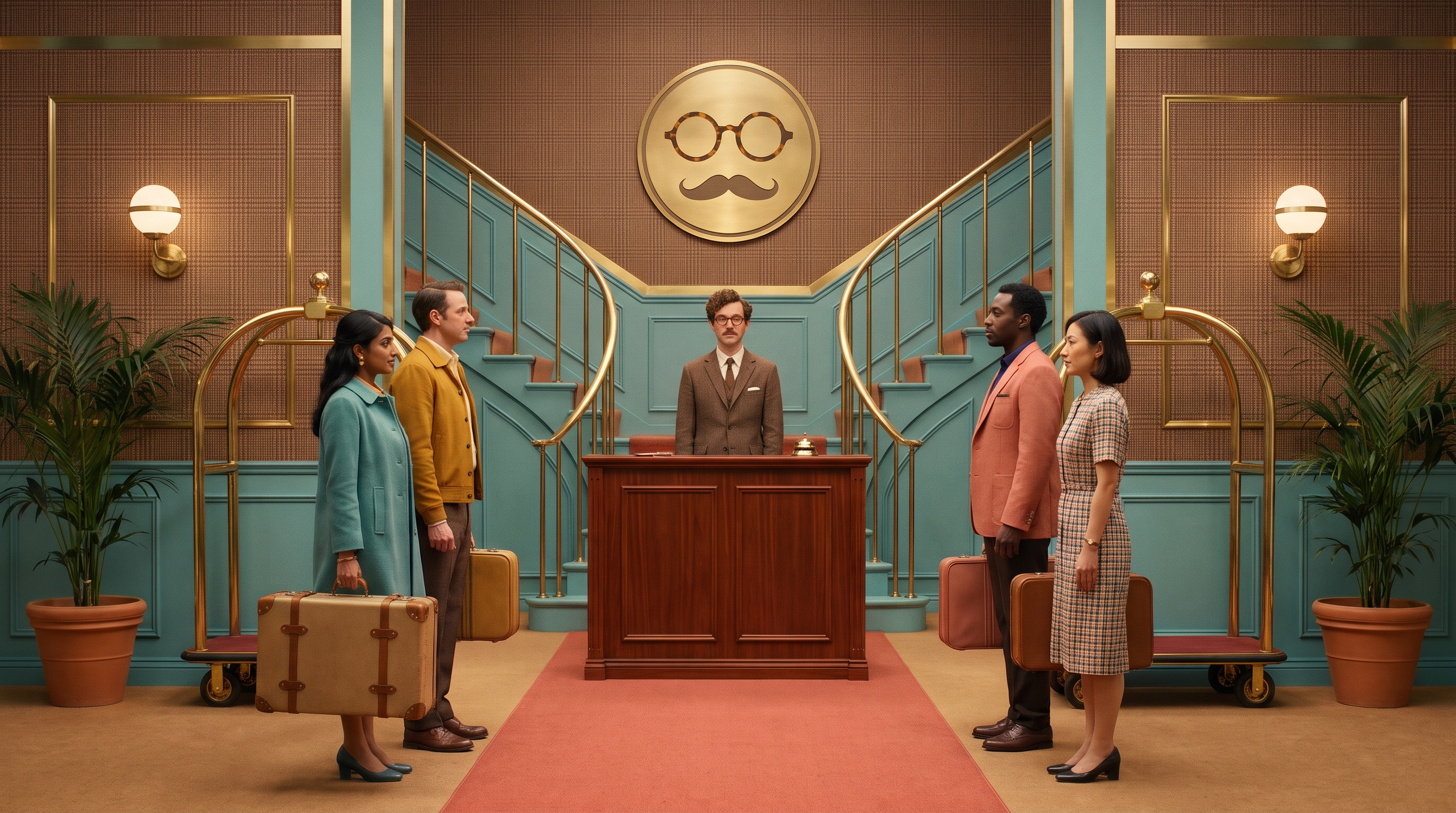
A personal brand is how you are perceived, remembered and talked about, and it works the same way company branding does. Four tests reveal it: the gut feeling people have about you, what they associate you with, what they say when you are not in the room, and what your own hotel would look like.
When people hear personal brand, most immediately think of logos, colors, LinkedIn banners, and profile pictures.
Visuals. Design. Packaging.
That’s not wrong – but it’s only the surface.
Executive branding works the same way company branding does. Different definitions exist, but they all describe the same underlying mechanism: how you are perceived, remembered, and talked about.
Here are the most common ways to define a personal brand – and why they all lead to the same conclusion.
1. The Gut Feeling Test
What’s the first feeling someone has when they think of you?
Not after five minutes of reflection.
Instantly.
Calm. Sharp. Trustworthy. Demanding. Strategic. Creative.
That emotional shortcut is a personal brand. It’s fast, intuitive, and hard to shake.
People might forget what you said in a meeting – but they remember how you made them feel.
2. The Association Test
What do people associate you with?
Certain topics. Certain traits. Certain standards.
Growth. Clarity. Precision. Vision. Execution. Taste.
If people struggle to name anything at all, that’s also an answer.
A weak association usually means a weak or inconsistent personal brand.
3. The Room Test
Your personal brand is what people say about you when you’re not in the room.
Not your LinkedIn headline.
Not your website copy.
Not your self-description.
It’s the shorthand others use to explain you to someone else.
That shorthand travels faster than anything you publish yourself.
4. The Visual Test (My Favorite)
This is the most concrete way to think about a personal brand.
Imagine you owned a hotel.
A real one.
What would it look like if it had to fully reflect you?
- Design: Architecture, colors, materials. Minimal or expressive? Functional or iconic? Quiet or bold?
- Atmosphere: Calm, energy, intensity, creativity, exclusivity. The emotional signature people feel the moment they walk in.
- Service quality: How are guests treated? Warm and personal? Direct and efficient? Reserved but premium?
- Experience: What feeling remains after the stay? Safety. Inspiration. Drive. Confidence. Momentum.
- Target group: Who would stay there? Founders? Operators? Executives? Creatives? That alone reveals exactly who your personal brand attracts – and who it doesn’t.
- Signature moments: The one detail people remember and tell others about. The thing that makes it unmistakably yours.
Different perspectives. Same conclusion.
A personal brand isn’t built just through design assets or content volume.
It’s built through consistency of experience. Exactly like company branding.
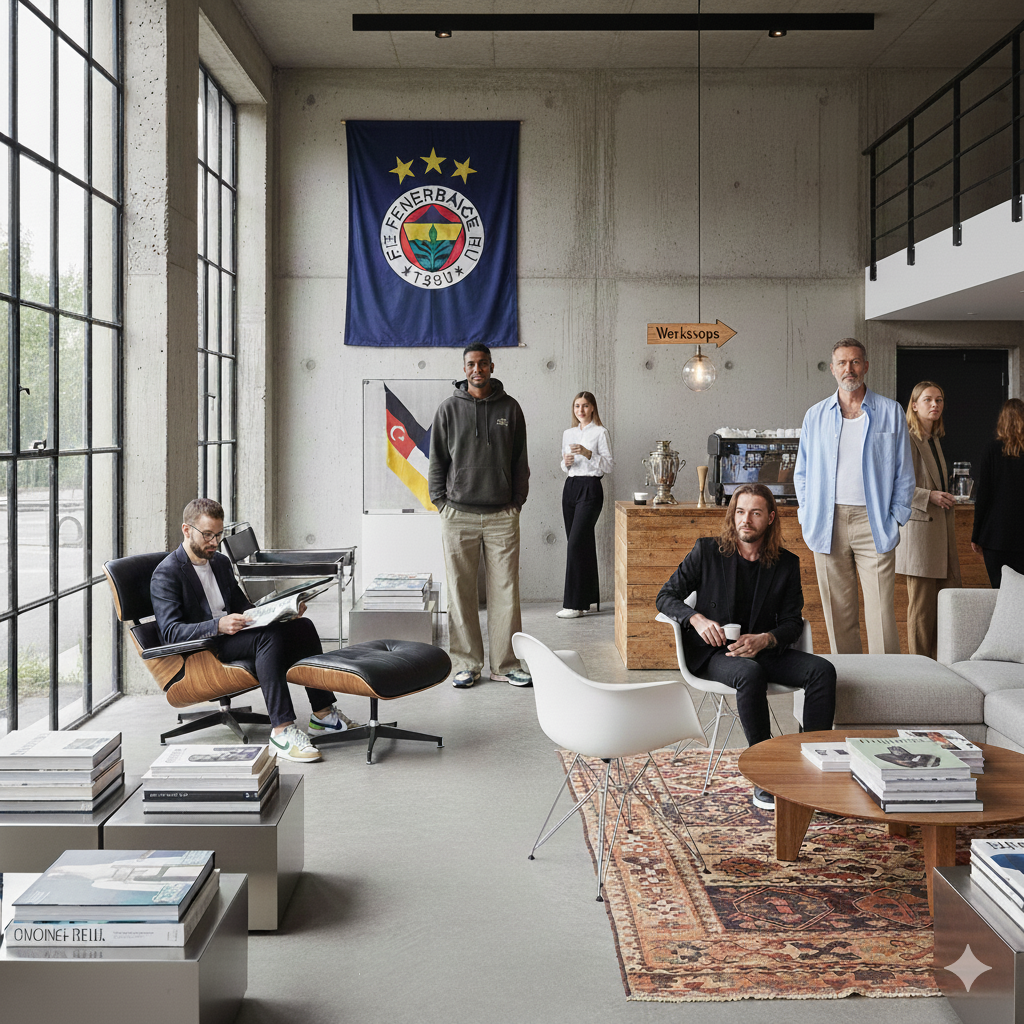
Here is a first idea of the lobby of my “Iskender Hotel” limited by Nano Banana’s capabilities:
Frequently asked questions
What is a personal brand?
A personal brand is how you are perceived, remembered and talked about. Executive branding works the same way company branding does.
Is a personal brand just logos and design?
No. Logos, colors, LinkedIn banners and profile pictures are only the surface. A personal brand is built through consistency of experience, exactly like company branding.
How can I test my personal brand?
Ask what first feeling people have when they think of you, what they associate you with, and what they say about you when you are not in the room. If people struggle to name anything at all, that usually means a weak or inconsistent personal brand.
What is the hotel test for a personal brand?
Imagine you owned a hotel that had to fully reflect you. Its design, atmosphere, service quality, experience, target group and signature moments show what your personal brand stands for and who it attracts.

