

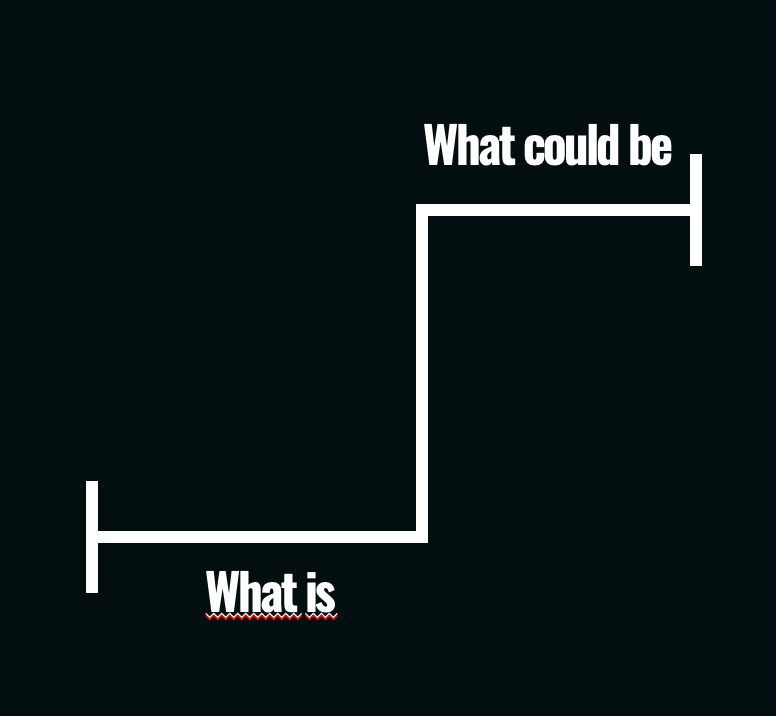
The best stories and TED Talks create tension by contrasting the status quo (“What Is”) with a better future (“What Could Be”), a pattern Nancy Duarte describes in her book Resonate. In a fundraising pitch, founders should switch between both repeatedly, so investors feel the pain of today and the excitement of the world their startup could create.
Today, we’ll dive into a storytelling lesson from my COUP Movement Presentations Skill Masterclass and my FundraisingCOUP program:
The Power of Contrast: "What Is" vs. "What Could Be" in Fundraising Pitches
Great storytellers create tension – a conflict that needs resolution. This is what grips investors and other audiences and compels them to act. One of the most powerful ways to do this is by using the "What Is" vs. "What Could Be" framework.
Nancy Duarte, in her book Resonate, analyzed the most impactful TED Talks and uncovered a hidden pattern: The best speakers create a dynamic contrast between the status quo ("What Is") and a better future ("What Could Be"). This tension – between the problem as it exists today and the brighter future that is possible – keeps audiences engaged and emotionally invested.
Applying This to Your Fundraising Pitch
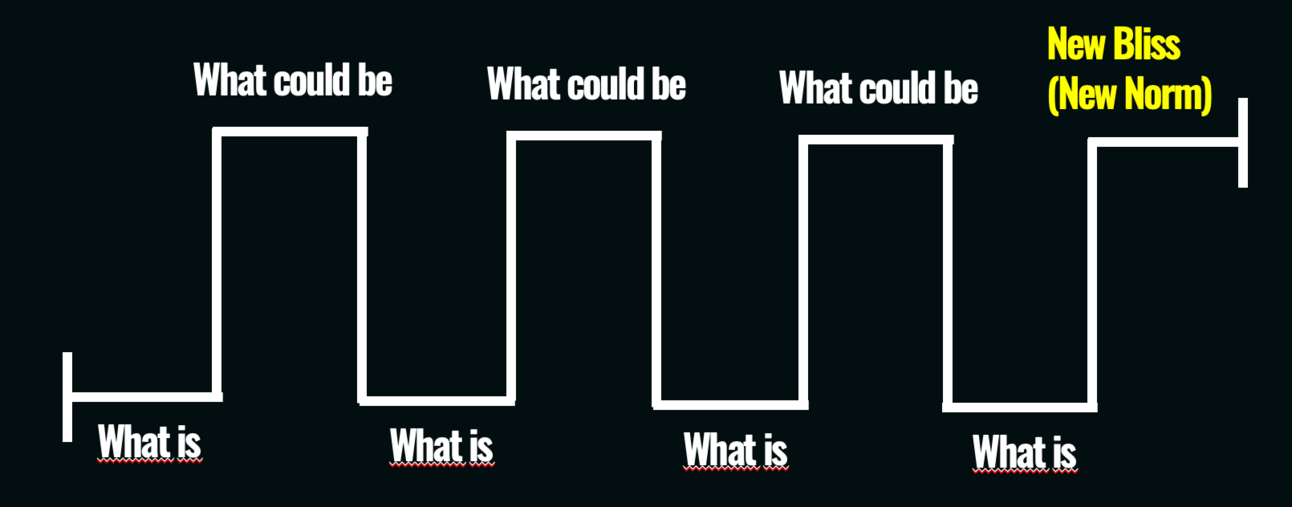
Your pitch ideally constantly switches between "What Is" and "What Could Be." Investors need to feel the pain of the current situation and the excitement of what the world could look like if your startup succeeds.
- What Is → The problem as it exists today. Why is it painful? Why is it unacceptable?
- What Could Be → The world with your solution in it. How is it transformed? How does life improve?
This contrast isn't just a one-time setup – it should repeat throughout your pitch. The best pitches build and release tension over and over again, keeping investors hooked. Think of it like waves: each time you contrast "What Is" with "What Could Be," you’re reinforcing the urgency of the problem and the attractiveness of your solution.
Frequently asked questions
What is the “What Is” vs. “What Could Be” framework?
It is a storytelling pattern that creates tension by contrasting the status quo, the problem as it exists today, with a better future that is possible. Nancy Duarte uncovered it in her book Resonate by analyzing the most impactful TED Talks.
How do I use “What Is” vs. “What Could Be” in a fundraising pitch?
Switch between both constantly. Show why the current problem is painful and unacceptable, then show how the world is transformed with your solution in it, so investors feel both the pain and the excitement.
Should the contrast appear only once in a pitch?
No. It should repeat throughout the pitch. The best pitches build and release tension over and over again, like waves, reinforcing the urgency of the problem and the attractiveness of the solution.

