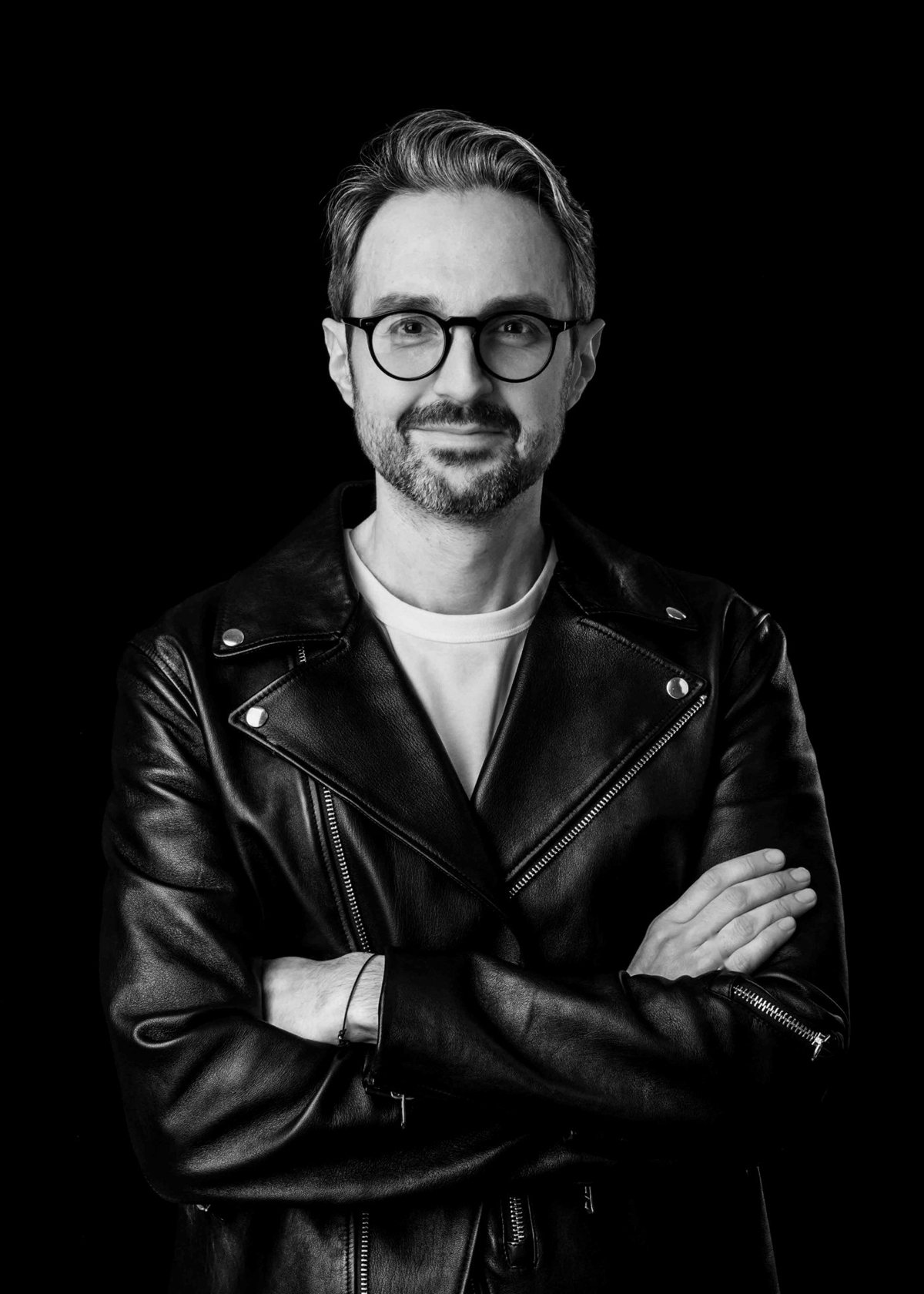

Philipp Möhring, General Partner at Tiny, says startups don’t die, they commit suicide: what kills them most often is the founders themselves. On the DEALMACHER Podcast he names three patterns: co-founder drama, one founder growing faster than the other, and bad investors whose terms drain the founders’ energy and momentum.
"Startups don't die, they commit suicide."
Philipp Möhring, General Partner at the Tiny Supercomputer Investment Company, said this on the latest episode of my DEALMACHER podcast. Tiny is the most active early-stage VC in Europe, with a few hundred investments per fund.
That means Philipp has watched more companies fail than almost any other investor on the continent. I asked him what kills them most often.
His answer was not the market, not the competition and not the technology. It was the founders themselves. Three patterns came up in the conversation, and I see all three in the companies I advise.
1. Co-founder drama
Philipp's first answer was co-founder drama. In his words on the podcast: "That is often ego drama. People who found a company have strong opinions. Some have a tendency towards narcissism."
The pattern he describes is familiar. Early on, the founders are open, friendly and generous with each other.
Then the company hits its first hard phase. "And then it explodes all the louder. From both sides."
What Philipp does about it is the part worth copying. When Tiny meets a team that has not known each other for long, he does not only look for where they agree. He makes them disagree.
"You have to learn how to fight with each other. In this high-stakes, high-speed world, you need to be able to bang heads."
His point: a founding team needs a wide bandwidth of communication, and that includes the topics where they see things differently. Teams that never practise this find out too late that their co-founder is a very different person than they thought.
2. One founder grows faster than the other
The second reason founders split, according to Philipp, is that one of them develops faster. One becomes the better leader, makes the better decisions, or does the work that turns out to matter more for the company.
This is hard to talk about, because for founders, work and identity are almost the same thing. Philipp's observation from his portfolio: it is more likely that the CEO stays and the CTO leaves.
And teams that met in an accelerator programme split more often than others.
Behind this sits something every founder should hear early. A pre-seed company and a Series A company are different companies. They need a different leadership style and can handle a different level of complexity.
The founder has to change with them. Philipp put it this way: "You have to actively reinvent yourself. Which is difficult for someone who has to appear in front of his team and his investors all the time as the person who knows what is going on."
He added that every founder in the Tiny portfolio who reached a Series B is what he called a growth person. Someone who came out as a deeply focused researcher or engineer and turned into someone who leads several hundred people and stands on a stage next to politicians.
3. Bad investors
The third source of drama is investors. Philipp described the pattern: the company needs a bridge round, and the investor asks for a two or three times liquidation preference.
Or the fundraise fails, and the investor offers to halve the valuation and take another 20 percent.
He was careful here. "That does not always mean the company dies. But it does mean the company and the founders find it much harder to bring the same energy and momentum they had before."
I would put it more sharply. A bad term rarely kills a company on paper. It kills the founders' will to keep going, and that is what the next investor sees in the room.
What this means for you
If you are running a young company, the risk you can influence most is not in your market. It is in the room with you.
Practise disagreeing with your co-founder before the first crisis forces you to. Be honest about who is growing into the next stage and who is not, and talk about it before an investor does.
And when an existing investor proposes terms that solve his problem at the expense of your energy, take that seriously. Philipp has seen where it leads.
The full conversation with Philipp, including how Tiny picks teams at pre-seed and why intuition still beats frameworks after hundreds of deals, is on the DEALMACHER podcast: www.id.vc/dealmacher-podcast

Frequently asked questions
What kills startups most often?
According to Philipp Möhring of Tiny, it is the founders themselves. He names three patterns: co-founder drama, one founder growing faster than the other, and bad investors.
How can co-founders keep conflict from breaking the company?
Practise disagreeing before the first crisis forces you to. When Tiny meets a team that has not known each other for long, Philipp makes them disagree, because founders need to learn how to fight with each other.
Which co-founder usually leaves when one grows faster?
Philipp’s observation from his portfolio is that it is more likely that the CEO stays and the CTO leaves. Teams that met in an accelerator programme also split more often than others.
How do bad investor terms hurt a startup?
A bridge round with a two or three times liquidation preference, or a halved valuation after a failed raise, does not always kill the company. It does make it much harder for the founders to bring the same energy and momentum they had before.