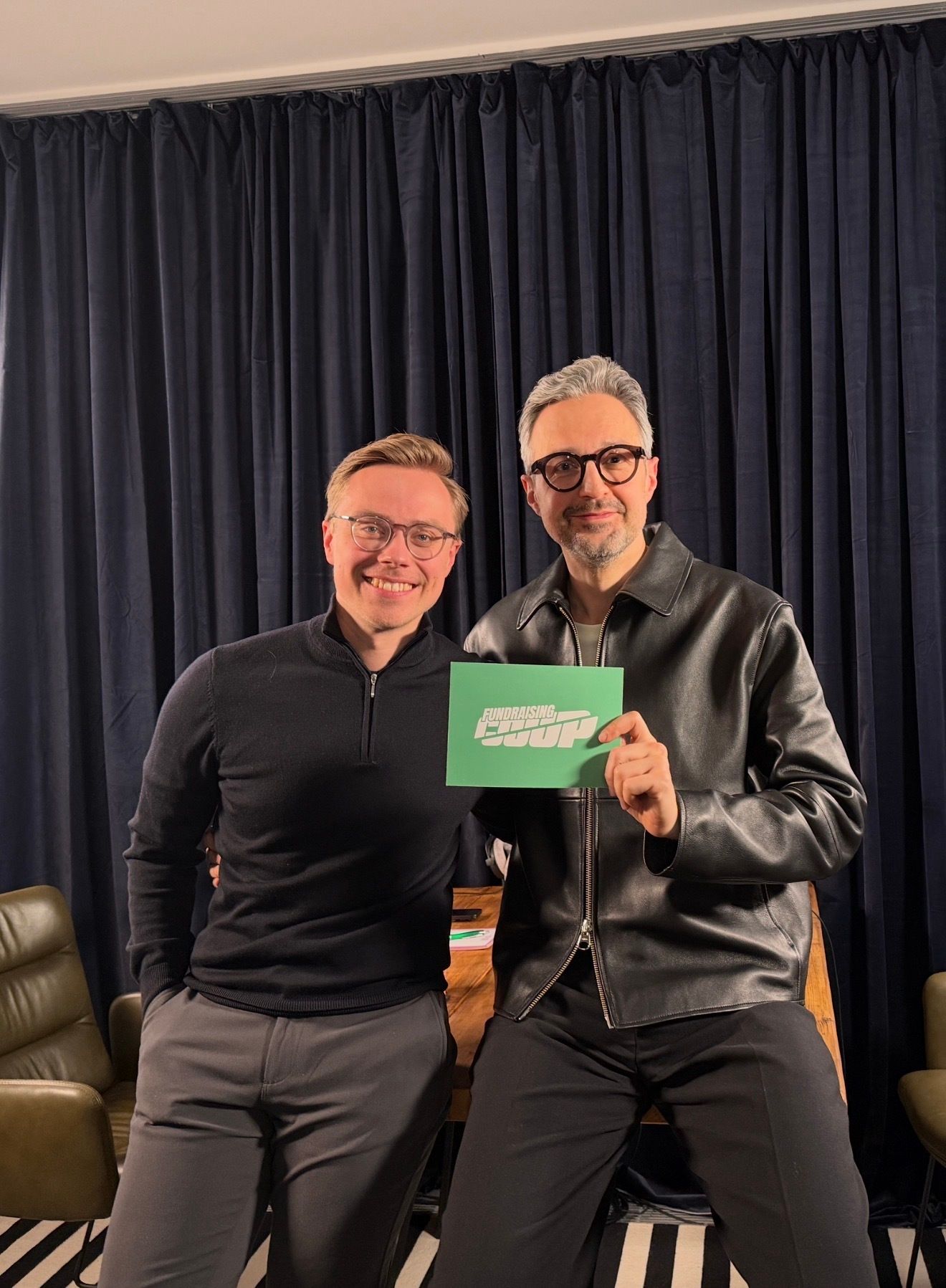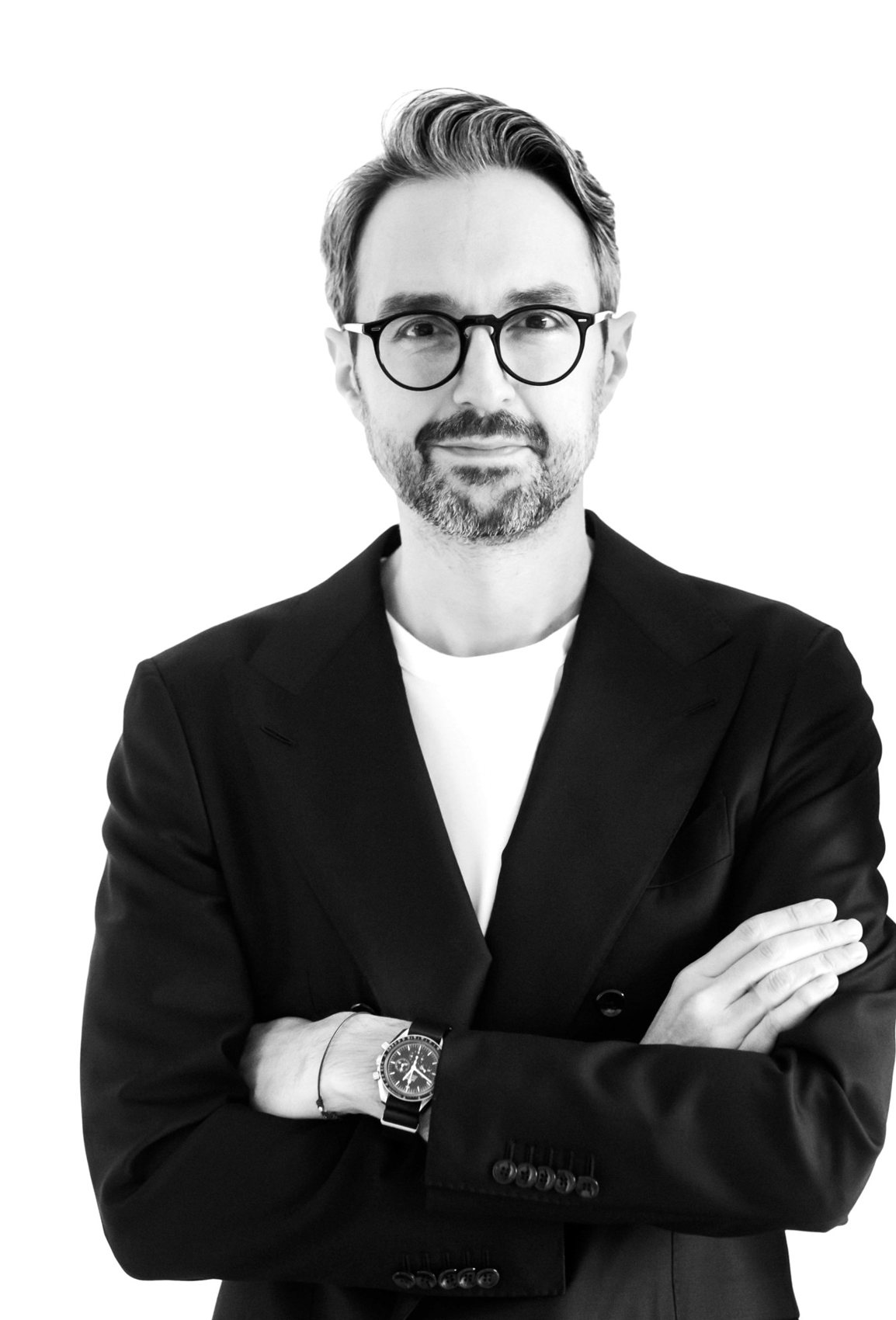
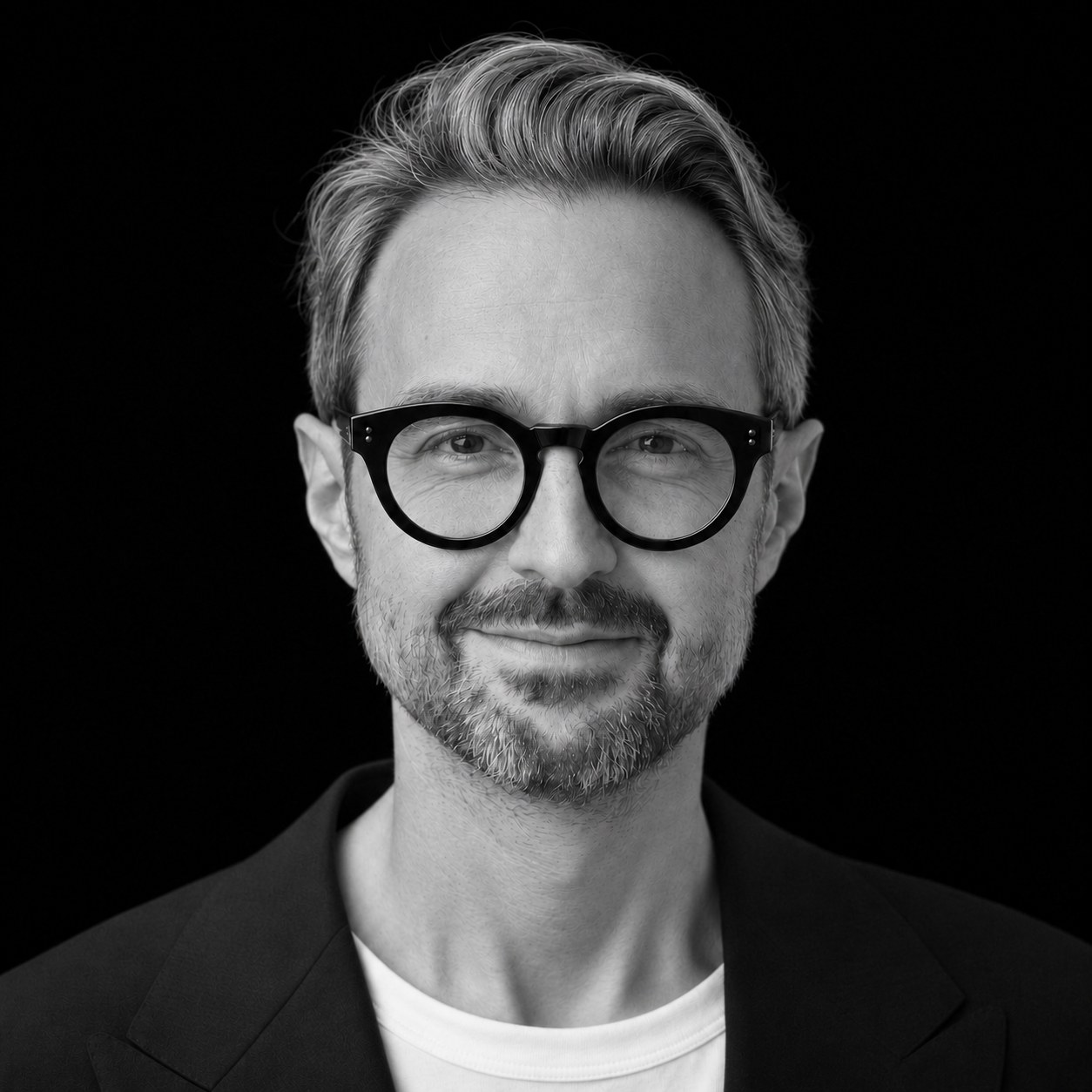

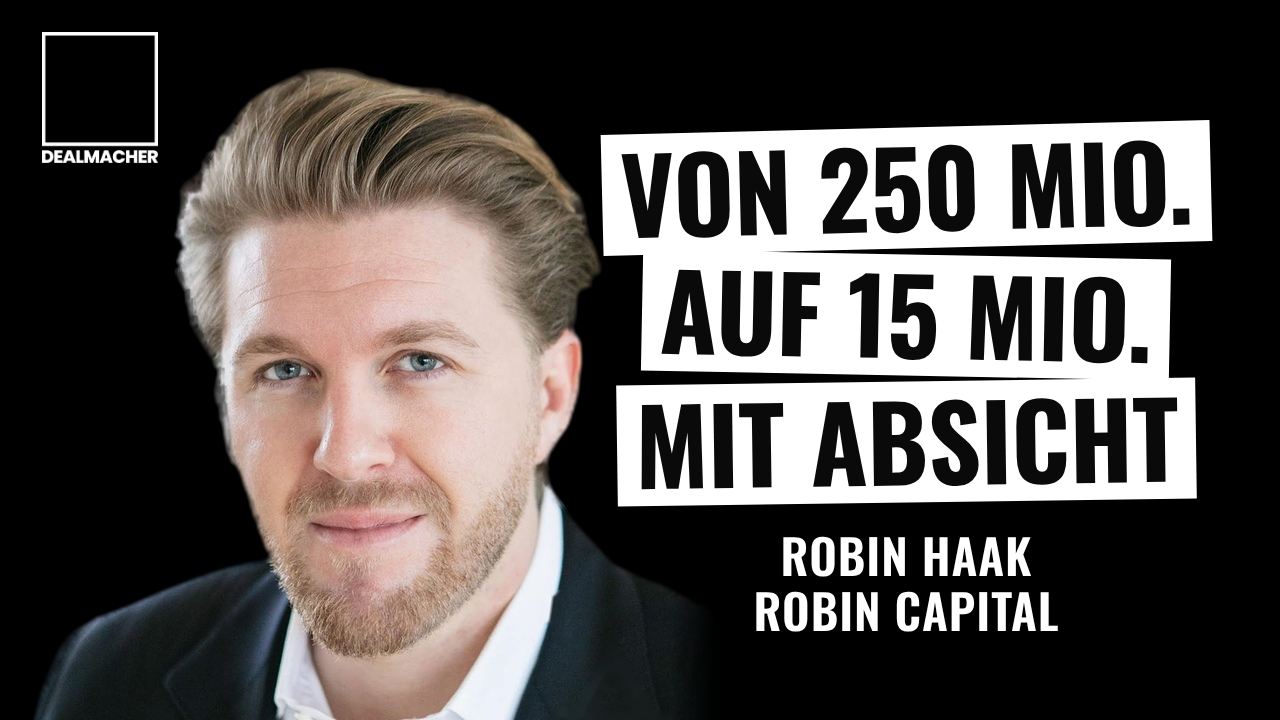
Robin Haak, solo GP of Robin Capital, treats a small fund as the destination. After serving as one of three General Partners at Revaia, a €250M growth fund, he now invests from two €15M funds without a team. He found his first LPs through 7,000 emails to holding company owners and used the management fee as a marketing budget.
Most emerging managers treat a small fund as a starting point. Robin Haak treats it as the destination. Robin, founder and solo GP of Robin Capital, explained why on the latest episode of my DEALMACHER Podcast, and how he built a fund model around that decision.
From a €250M growth fund to two €15M funds
Robin has seen most fund sizes from the inside. He was one of three General Partners at Revaia, a growth fund whose first vehicle closed at €250M. Today he invests from two funds of €15M each, without a team and without plans to hire one. “For most people, that’s the entry into venture capital. For me, it’s the end. And the beginning of building a product that fits me.” Small tickets also change his position in a round: next to a lead, there is almost always room for him. Other solo GPs and emerging managers are partners in his view, not competitors. In the episode, he describes how that collaboration works on deals they share.
An LP funnel built on the commercial register
Fund 1 was hard. Robin started in 2023, when other solo GPs had already closed, and many of the people he asked were already invested in one. The first close came in at €2M. Had the fund stayed far below its target, he would have carried the cost difference himself. His founders associate suggested a different route: search the German commercial register, identify the owners behind holding companies and write to them. They sent 7,000 emails. 700 people replied, 70 invested. Instead of one large family office ticket, Robin ended up with LPs who help his founders. “Our biggest weakness became our biggest strength.” Fund 2 came together through three BCC emails to his existing LPs.
The management fee as a marketing budget
Robin held his annual meeting on a friend’s farm in Carinthia. The Formula 1 car, the gin, the barber and the Range Rovers came through partners and sponsors. Robin paid for food and wine. For his first two years, he paid himself no salary and put the management fee into marketing, founder dinners and a community in which 100 LPs, around 20 of them unicorn founders, share a WhatsApp group with all his founders. He applies the same thinking to fund costs: his tax advisors and auditors give him 50% off because he brings them two to four new clients a year. Over ten years, he calculates, that leaves €700,000 more to invest, enough for three deals.
Three fundraising plays from his operator years
At SmartRecruiters, Robin and founder Jerome raised the Series D at a hard moment: their first large customer, Bosch, had tied the team up in an 18-month global rollout, and growth stalled. They met 50 to 60 investors in person and came back with two term sheets. When Robin mentioned them in the board meeting, a managing partner of existing investor Insight Partners was in the room. “I could see it in his eyes.” Insight issued the third term sheet, and it was the best. The Series E went the other way: seven term sheets in two weeks, with Silver Lake offering $110M at a $1.5B valuation. At Revaia, portfolio company Aircall raised at a much higher valuation shortly before the final close, with investors representing a potential of €600M still in the pipeline. The team sent one email, read a hundred times before it went out. The fund closed at €250M against a €200M target.
Fundraising like a fighting style
Robin’s Muay Thai trainer in Bangkok, who also trains ONE Championship world champions, builds a separate style for every fighter, and Robin plans every round around the founder in the same way. Some founders are best at making friends with VCs: they fly to London for lunch, spend an hour asking the investor about his market and his view, and only in the last five minutes does the VC get to ask when the round opens. The answer is “We’ll be in touch.” Most of the time, it runs the other way: the VC asks questions for 60 minutes, the founder defends, and there is no pressure and no FOMO. Robin’s other founders wait until the day they launch, with the best possible deck and data room, and then work through the right investors systematically.
The full conversation, including the Series D in which an existing investor issued the third and best term sheet, is at dealmacherpodcast.de/robin-haak.
Frequently asked questions
Why does Robin Haak run small funds on purpose?
For most people, a small fund is the entry into venture capital. For him, it is the end and the beginning of building a product that fits him. Small tickets also mean that next to a lead, there is almost always room for him.
How did Robin Capital find LPs for its first fund?
His founders associate suggested searching the German commercial register, identifying the owners behind holding companies and writing to them. They sent 7,000 emails, 700 people replied and 70 invested.
How does Robin Haak use the management fee?
For his first two years, he paid himself no salary. He put the management fee into marketing, founder dinners and a community in which 100 LPs share a WhatsApp group with all his founders.
How did Robin Haak raise his second fund?
Fund 2 came together through three BCC emails to his existing LPs.